
Timestamp: 2026-07-27T08:00:00Z
Category: Residential Pest Management / Seasonal Alerts
Author: System Administrator – Salinas and Sons Pest Control
Status: Published
Hello world. Welcome to the July maintenance update for Pearsall and the surrounding South Texas regions. Follow the instructions below to identify, manage, and mitigate spider infestations within your residential or commercial property.
Metadata Overview
| Field | Value |
|---|---|
| Location | Pearsall, Dilley, Cotulla, Devine, TX |
| Primary Pest | Araneae (Spiders) |
| Environmental Factor | Extreme Heat / Drought |
| Service Recommendation | Routine Monthly Pest Control |
| Contract Status | No Long-Term Commitment Required |
1. Analyze Environmental Triggers
Identify the primary reasons for increased arachnid activity within your living space. July in South Texas presents unique environmental challenges that force outdoor pests to seek interior shelter.
1.1 Temperature Regulation Protocols
Spiders are ectothermic organisms. Their internal body temperature is regulated by the surrounding environment. When ambient temperatures in Pearsall reach 100°F or higher, spiders must seek cooler microclimates to maintain biological functions.
- Action: Monitor baseboards, corners, and utility rooms.
- Observation: Your air-conditioned home acts as a thermal heat sink for local spider populations.
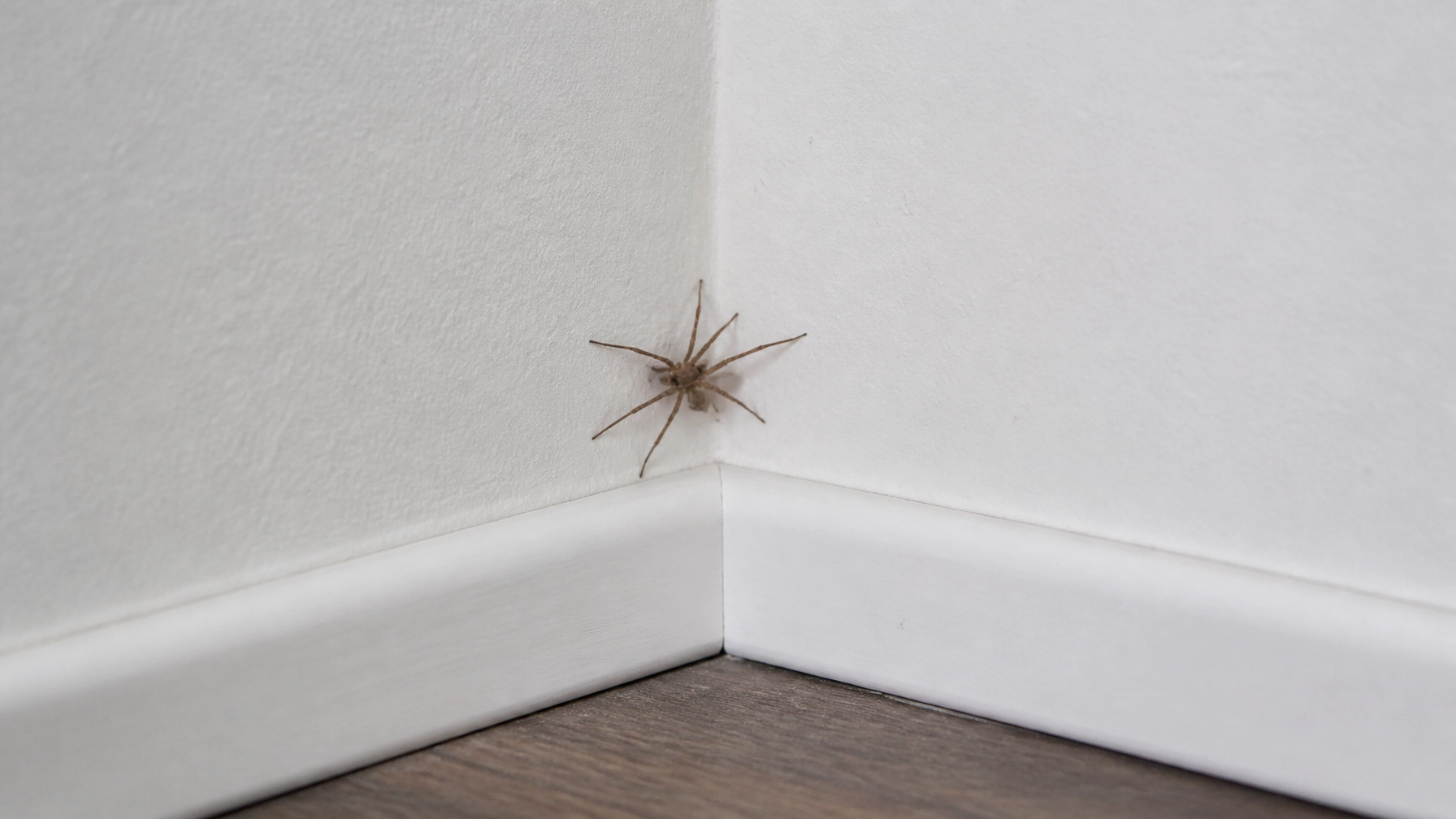
- Result: Increased sightings of wolf spiders and house spiders in shaded, cool interior zones.
1.2 Moisture Seeking Behavior
Drought conditions in South Texas during July lead to a lack of surface water and humidity. Spiders require moisture to survive and will migrate toward plumbing fixtures, kitchens, and bathrooms.

- Search: Check under sinks and around laundry room drains.
- Identify: Notice spiders congregating near "wet areas" where humidity levels are slightly higher than the arid outdoor air.
- Execute: Maintain dry surfaces to reduce attraction.
2. Evaluate Predator-Prey Dynamics
Spiders are predatory. Their presence is a direct indicator of an underlying insect population. If your home is attracting ants, roaches, or flies due to the summer heat, spiders will follow to exploit these food sources.
2.1 The Insect Attraction Loop
- Step 1: Heat drives ants and roaches indoors for water.
- Step 2: Insects aggregate near light sources and food waste.
- Step 3: Spiders relocate to these "hunting grounds" within your home.
- Step 4: Spider populations expand rapidly due to high prey availability.
2.2 Accelerated Development Cycles
High temperatures increase the metabolic rates of insects and arachnids. This results in faster reproduction and shorter development times. One spider egg sac can contain hundreds of offspring, all maturing quickly in the South Texas summer heat.
- Control Point: Disrupt the cycle by eliminating the primary insect food source.
- Service Integration: Use routine monthly treatments to create a chemical barrier that stops both the prey and the predator.
3. Identify Local South Texas Spider Species
Classification of common species is required for effective management. In Pearsall and the surrounding Frio County area, several species are frequently encountered.

3.1 Wolf Spiders (Lycosidae)
Wolf spiders do not spin webs to catch prey. They are active hunters that move quickly across floors and walls. While they are generally not dangerous to humans, their large size and fast movements cause significant distress.
3.2 American House Spiders (Parasteatoda tepidariorum)
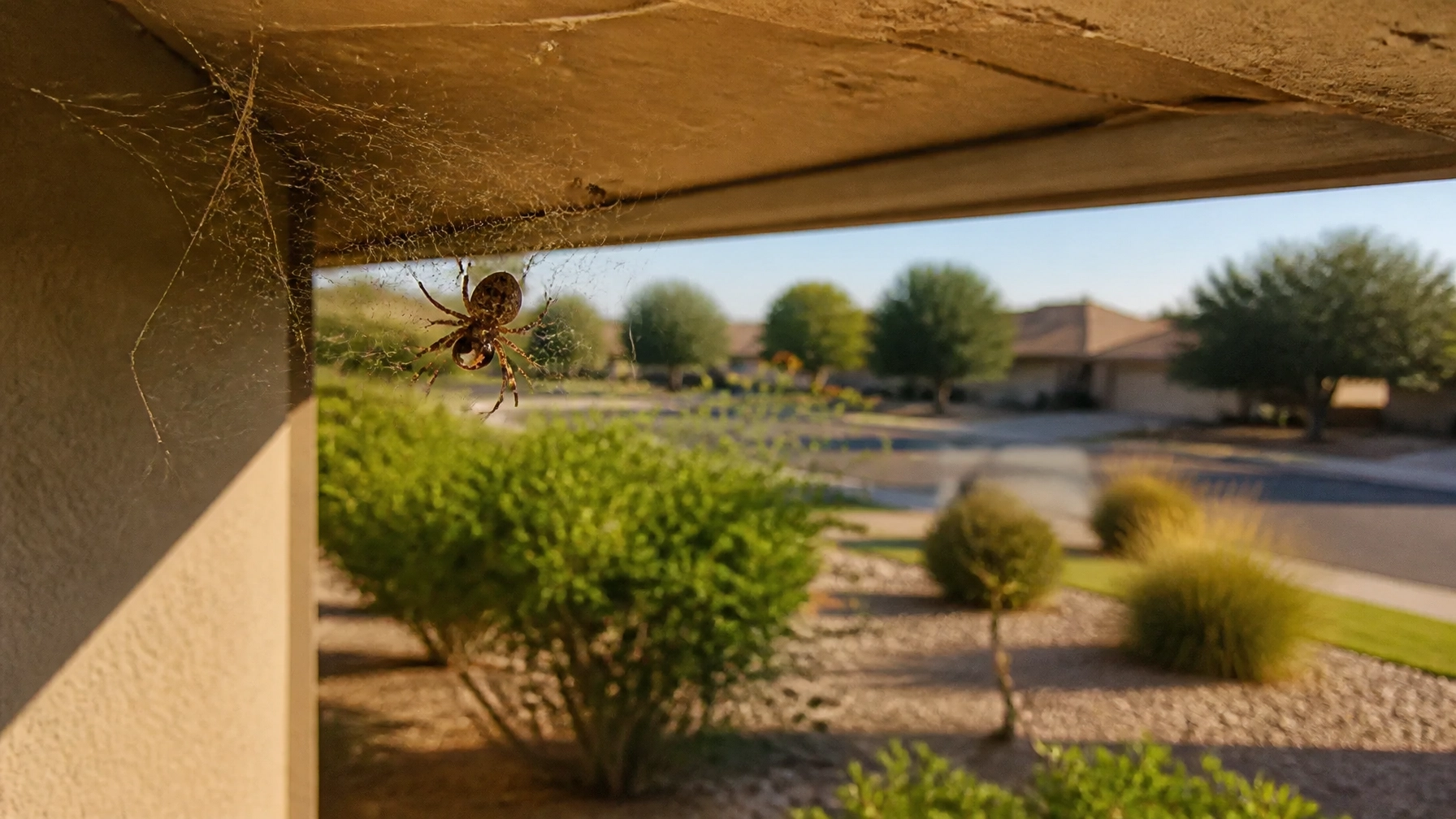
These spiders create messy, tangled webs in corners, under furniture, and near windows. They are primarily a nuisance pest, but their webs collect dust and debris, requiring constant cleaning.
3.3 Brown Recluse and Black Widow Spiders
These species are less common but present a higher risk. They prefer undisturbed areas like cardboard boxes, closets, and garages. Exercise caution when moving stored items during the summer months.
- Safety Check: Wear gloves when handling items in storage areas.
- Action: Clear clutter to remove potential nesting sites.
4. Implement Management and Prevention Protocols
Edit your home maintenance routine to include these preventative measures. Systemic prevention is more effective than reactive treatment.
4.1 Structural Fortification
Delete entry points to prevent spiders from entering the structure.
- Update Seals: Inspect and replace weather stripping on all exterior doors.
- Repair Screens: Ensure window screens are intact and free of holes.
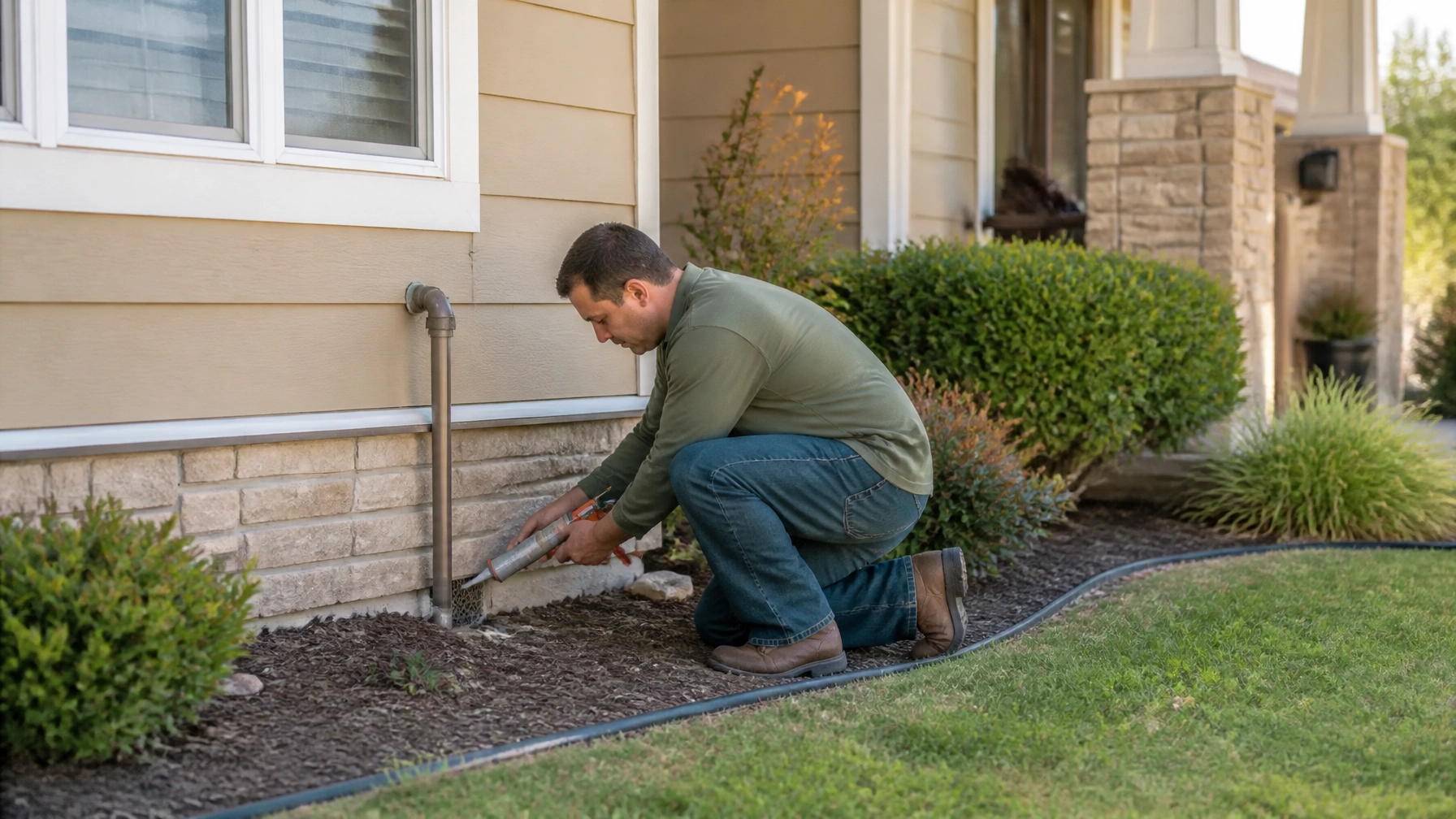
- Caulk Gaps: Use silicone caulk to seal openings around plumbing pipes and electrical conduits entering the home.
4.2 Exterior Environment Modification
Adjust the landscape to reduce pest pressure.
- Trim Foliage: Keep shrubs and trees at least 12 inches away from the home’s exterior walls.
- Manage Mulch: Avoid thick layers of mulch directly against the foundation, as this traps moisture and attracts insects.
- Clear Debris: Remove woodpiles, bricks, and stones from the immediate vicinity of the structure.

5. Routine Monthly Pest Control Advantages
The most efficient method to maintain a spider-free environment is through scheduled professional intervention. Salinas and Sons Pest Control provides a systematic approach to residential protection.
5.1 Consistent Protection Barriers
Spiders are difficult to eliminate with one-time sprays because they do not groom themselves like insects, meaning they don't ingest pesticides as easily. Routine monthly service ensures that a fresh, potent barrier is always present to deter entry.
- Frequency: Once every 30 days.
- Focus: Perimeter spray, entry point treatment, and interior monitoring.
- Outcome: Cumulative reduction in both spiders and their prey.
5.2 Affordability and Flexibility
At Salinas and Sons Pest Control, we prioritize budget-friendly solutions for South Texas families.
- Cost: Highly affordable pricing models designed for Pearsall residents.
- Contracts: No long-term contracts are required. You have the authority to cancel at any time.
- Approach: Family-owned and operated, ensuring personalized service for every customer.
6. Access Professional Support
If you identify a significant spider population or want to prevent an infestation before the August heat peaks, use the following contact protocols.
6.1 Service Areas
We provide comprehensive pest management solutions in:
- Pearsall
- Dilley
- Cotulla
- Devine
- Surrounding South Texas Areas
6.2 Specialized Treatment Options
Beyond routine monthly maintenance, we offer targeted removal for:
- Termites
- Bed Bugs
- Mosquitoes and Ticks
- Small Rodents (Mice, Rats, Squirrels)
- Small Animals (Raccoons, Possums)

7. Conclusion: Start Your Protection Plan
Do not allow spiders to occupy your living space this July. The extreme Texas heat is a catalyst for pest migration, but it is a manageable variable. Start your routine monthly service today to secure your property.
- Action: Contact Salinas and Sons Pest Control.
- Status: Family-owned, local, and ready to assist.
- Incentive: No long-term contracts. Affordable rates.

[Click here to schedule your first service and clear your home of spiders.]







Leave A Comment