

Category: Termite Control
Service area: Pearsall, Dilley, Cotulla, Devine, and surrounding South Texas
Published: October 8, 2026
October may bring cooler mornings to South Texas, but termites do not automatically disappear when summer ends. Warm soil can keep subterranean termite colonies active well into fall. Hidden termites may continue feeding below ground, inside wall voids, or behind damaged wood long after visible swarmers are gone.
That makes October a practical time for a professional termite inspection.
A fall inspection can help homeowners find damage left behind by spring and summer activity. It can also identify moisture problems, foundation gaps, wood-to-soil contact, and other conditions that make a home easier for termites to enter.
If you live in Pearsall, Dilley, Cotulla, Devine, or a nearby community, use this guide to understand what to look for and when to schedule professional termite treatment in South Texas.
Why October Is a Smart Time for Termite Inspections in South Texas
Termites can remain active after swarm season
Swarming is the stage homeowners notice most. Winged termites leave a mature colony, often appearing near windows, lights, doors, or other openings.
However, the disappearance of swarmers does not prove that the colony is gone.
Native subterranean termites generally swarm during spring and early summer. Formosan subterranean termites also typically swarm during the warmer months, often at night near lights. Afterward, worker termites can remain active in the soil and inside concealed parts of a structure.
An October inspection works as a post-swarm check. It helps determine whether the evidence was temporary, historical, or connected to an active infestation.
According to Texas A&M AgriLife Extension, mud tubes, shed wings, swarmers, and damaged wood all deserve further investigation.
Warm soil supports continued activity
South Texas does not experience the same sharp seasonal shutdown found in colder regions. Soil temperatures may remain favorable for termite activity through much of the fall.
Termites also seek stable environments. A home with moisture near the foundation, leaking plumbing, poor drainage, or hidden wood contact can provide the conditions a colony needs.
Do not wait for a warm winter day or another swarm to take action. Schedule an inspection while the evidence is still easier to locate.
Late-discovered damage can cost more
Termites work quietly. They can damage floor joists, wall framing, trim, window frames, porches, and other wood components without creating an obvious indoor problem.
The longer an infestation goes unnoticed, the greater the chance of structural repairs. A professional inspection may find a small problem before it becomes a large one.
Termite Warning Signs for Pearsall, Dilley, Cotulla, and Devine Homes

Check the accessible areas around your home this October. Look for the following signs.
Mud tubes
Subterranean termites build narrow mud tubes to travel between the soil and a wood structure. Look along:
- Foundation walls
- Slab edges
- Crawl-space piers
- Porch supports
- Utility penetrations
- Cracks and expansion joints
- Areas where soil touches siding or wood
Do not break every tube and assume the issue is solved. Photograph it first. A professional can inspect the area and determine whether the tube is active.
Hollow-sounding wood
Tap exposed trim, baseboards, door frames, porch posts, and other accessible wood with a solid object. Hollow sounds can indicate internal damage.
This test is not conclusive. Rot, water damage, and other wood problems can create similar sounds. Use the result as a reason to schedule an inspection, not as a diagnosis.
Bubbling or blistered paint
Paint that bubbles, blisters, or appears uneven may indicate moisture or concealed wood damage. Termites often become more likely when moisture is also present.
Check around windows, doors, bathrooms, kitchens, laundry areas, and exterior walls.
Discarded wings
Find wings near a window, light, floor, spider web, or door? You may have found evidence of a recent swarm.
Take a clear photograph. If possible, preserve a few wings or insects in a small container for the technician. Do not sweep everything away before documenting it.
Sagging floors or damaged trim
Soft spots, uneven floors, sagging areas, cracked trim, or doors that suddenly stick can have several causes. Termite damage is one possibility.
Report these changes during your inspection. Include any history of leaks, plumbing repairs, drainage problems, or previous termite treatment.
Clicking sounds in walls
Some homeowners report faint clicking or rustling sounds in walls. These sounds can have different causes, including building movement or other insects. They are not proof of termites.
Still, clicking sounds combined with wings, mud tubes, damaged wood, or moisture should be investigated.
Why Professional Termite Inspection Beats DIY
A do-it-yourself inspection can find visible signs. It cannot reliably inspect every concealed or inaccessible area.
A trained professional knows where termite activity commonly hides. The inspection should include more than a quick look at the foundation.
What a professional inspection involves
A thorough inspection may include:
-
Exterior perimeter review
The technician checks the foundation, slab edges, porches, steps, landscaping, mulch, fencing, trellises, and other possible routes into the structure. -
Moisture and drainage evaluation
The inspection looks for leaking faucets, clogged gutters, irrigation problems, poor grading, damp crawl spaces, and water collecting near the foundation. -
Interior inspection
The technician checks accessible baseboards, floors, door and window frames, bathrooms, kitchens, plumbing areas, garages, and utility spaces. -
Wood assessment
Accessible wood may be examined for hollow areas, blistering, soft spots, tunnels, and other damage. -
Crawl-space or pier inspection
If accessible, the technician reviews supports, joists, soil conditions, vapor barriers, and wood-to-soil contact. -
Written recommendations
Ask for photographs, identified evidence, inaccessible areas, conducive conditions, and recommended next steps.
A professional can also help separate termite evidence from carpenter-ant damage, wood rot, water damage, or other look-alikes. The EPA termite guide recommends using qualified pest management professionals and following label directions for termite products.
October Prevention Steps for South Texas Homeowners
Start with these simple actions:
- Keep firewood elevated and away from the house.
- Remove scrap lumber, cardboard, stumps, and old landscape timbers near the structure.
- Repair plumbing leaks and overflowing gutters.
- Direct irrigation and downspouts away from the foundation.
- Keep vegetation trimmed so the foundation stays visible.
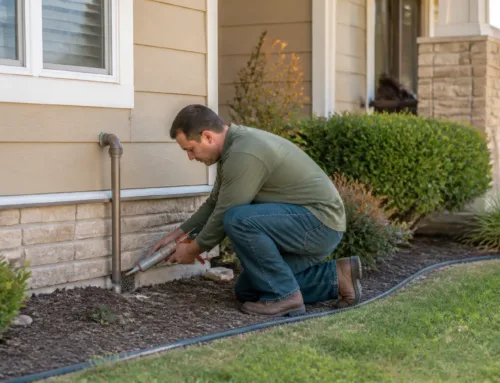
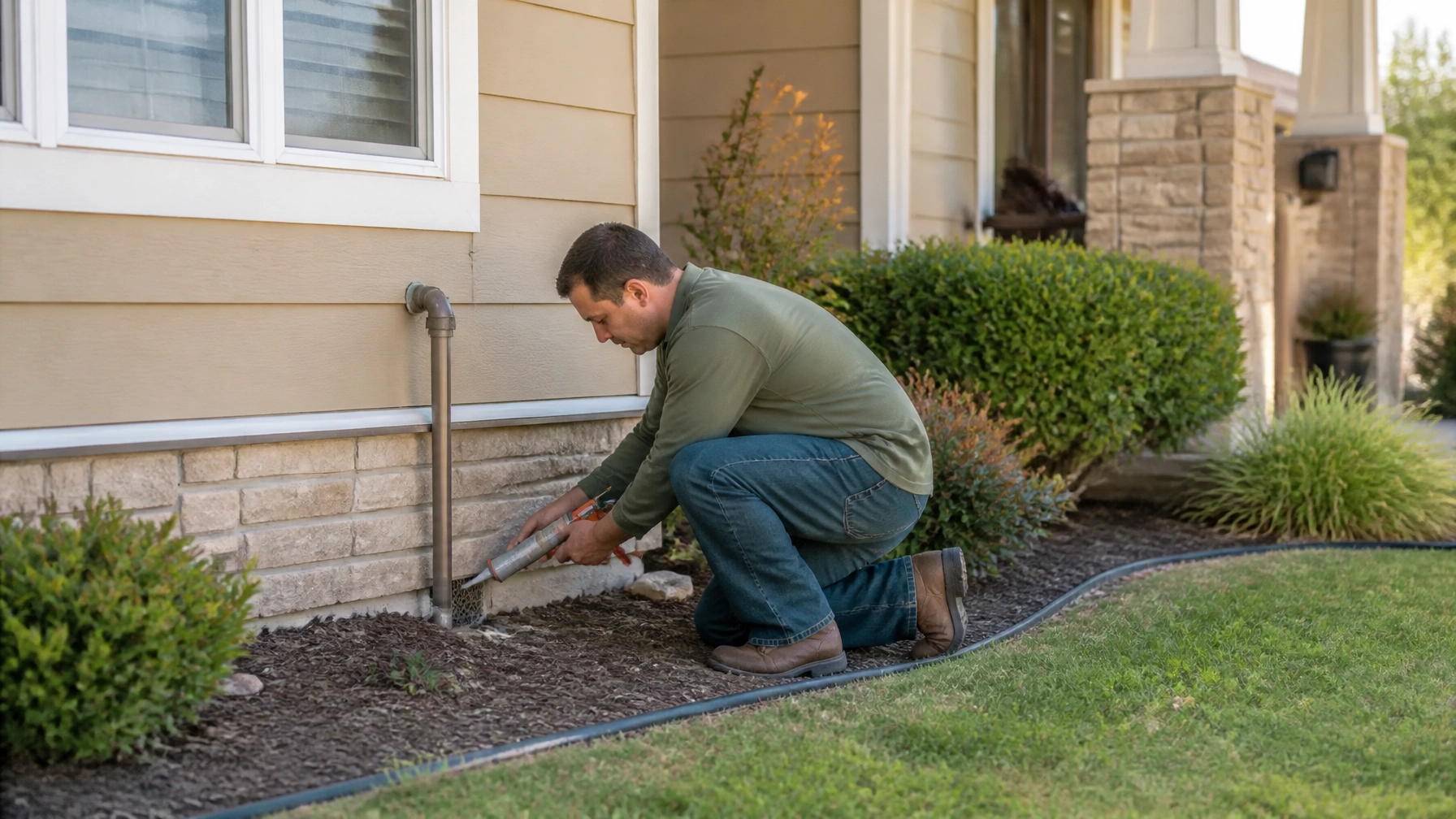
- Seal gaps around plumbing and utility lines.
- Reduce wood-to-soil contact where possible.
- Keep soil and mulch from covering the foundation edge.
- Maintain accessible crawl spaces and repair moisture barriers when needed.
- Avoid painting over suspicious damage before it is documented.
Clear visibility does not stop termites by itself. It gives you and your pest professional a better chance to find activity early.
Monthly Pest Control or Specialized Termite Treatment?

Routine monthly pest control and specialized termite treatment serve different purposes.
Choose routine monthly pest control for ongoing prevention
Monthly service may fit your needs when you want regular protection against common household pests. It can help reduce pest pressure around entry points, foundations, garages, and exterior areas.
Routine service is especially useful for homeowners who want a consistent maintenance plan for their property.
Choose specialized termite treatment when you find termite evidence
A specialized termite treatment may be more appropriate when you notice:
- Mud tubes
- Live or dead swarmers
- Discarded wings
- Repeated wood damage
- Termite activity in more than one location
- Previous termite treatment or a known infestation
- Moisture and foundation conditions that increase risk
Monthly pest control does not automatically replace termite treatment. If termites are active, ask for a termite-specific inspection and treatment recommendation.
Affordable Termite Treatment in Pearsall, Dilley, Cotulla, and Devine
Salinas and Sons Pest Control is a family-owned company serving homes and businesses throughout South Texas. We provide practical pest management solutions with highly affordable pricing and a straightforward service approach.
Our team can help you decide whether you need routine monthly pest control, a specialized termite treatment, or simple corrections to conditions around your property.
We also offer no long-term contracts. Customers can cancel at any time, skip months when appropriate, and use a pay-as-you-go approach. You do not need to commit to a lengthy agreement to protect your home.
Whether you need pest control in Pearsall, TX, pest control in Dilley, TX, pest control in Cotulla, TX, or pest control in Devine, TX, start with an inspection and a clear explanation of your options.
Request a free, no-obligation quote from Salinas and Sons Pest Control or call 830-210-0074.
Schedule Your October Termite Inspection
Do not use the end of swarm season as proof that your home is termite-free. Termites can remain active in warm South Texas soil and hidden structural areas during the fall.
Walk your property. Photograph anything suspicious. Check for moisture and foundation access points. Then schedule a professional inspection if you find evidence or simply want an informed assessment.
Salinas and Sons Pest Control serves Pearsall, Dilley, Cotulla, Devine, and surrounding communities with family-owned service, affordable pricing, and no long-term contracts.
Frequently Asked Questions
Are termites still active in October in South Texas?
They can be. Warm soil and favorable moisture conditions may support subterranean termite activity well into fall. The absence of swarmers does not confirm that a colony is inactive.
Is a termite inspection necessary if I only found a few wings?
Yes. Discarded wings may indicate a recent swarm. A technician can determine whether the evidence points to an active infestation, an old event, or another insect.
Does monthly pest control include termite treatment?
Not necessarily. Routine monthly pest control and specialized termite treatment address different problems. Ask your pest professional which service matches the evidence found at your property.
How much does termite treatment cost?
Pricing depends on the structure, evidence, treatment method, accessibility, and level of activity. Salinas and Sons Pest Control provides affordable, no-obligation quotes before work begins.
Do I need a long-term contract?
Not with Salinas and Sons Pest Control. Customers can cancel anytime, skip months when appropriate, and choose a pay-as-you-go service approach.




Leave A Comment