

Welcome, South Texas homeowners.
Fall brings cooler nights, shorter days, and a familiar pest problem.
Rodents search for warm shelter. Ants follow food and moisture indoors. Spiders and scorpions look for protected spaces around garages, walls, and storage areas.
Homes in Pearsall, Dilley, Cotulla, Devine, and nearby communities can see more pest activity during this seasonal shift.
The good news is simple.
A quick monthly home check can help you find problems early. Combine that check with professional monthly pest control. You can prevent small pest issues from becoming expensive infestations.
Why Fall Brings More Pests Into South Texas Homes
South Texas does not experience a long, harsh winter. Many pests remain active for much of the year.
However, cooler fall nights still change pest behavior.
Pests begin looking for:
- Warm wall voids
- Dry attics
- Protected garages
- Food-filled pantries
- Moisture near sinks and plumbing
- Cluttered storage areas
- Gaps around doors and windows
A small opening may be enough for pests to enter.
A damaged screen may become an entry point. A missing door sweep may leave a clear path under the door. Yard debris against the foundation may create shelter next to your home.
Start your fall prevention with these three common pest groups.
Pest 1: Rodents Move Into Attics, Garages, and Walls
Mice and rats become more noticeable when outdoor conditions change.
They seek warmth, nesting material, food, and water. They may enter through roofline gaps, garage doors, vents, weep holes, or openings around plumbing and utility lines.
Rodents do not need a large opening. A small gap can provide access to an attic or wall void.
Watch for these rodent warning signs
Check your home for:
- Droppings along walls or inside cabinets
- Scratching sounds at night
- Shredded paper, fabric, or insulation
- Gnaw marks on stored items
- Damaged wiring
- Greasy marks along baseboards
- Nests in the attic, garage, or storage areas
- Pet food or pantry food that appears disturbed
Start with your garage and attic.
Move boxes carefully. Use a flashlight. Look along walls, around vents, and near roofline connections.
Do not handle droppings or nesting material without proper protection. Avoid disturbing unknown animals in enclosed spaces.
Reduce rodent entry points
Inspect these locations:
- Gaps beneath garage doors
- Damaged weatherstripping
- Attic vents
- Soffits and roofline joints
- Openings around pipes and cables
- Foundation cracks
- Weep holes
- Gaps around exterior doors
- Torn window screens
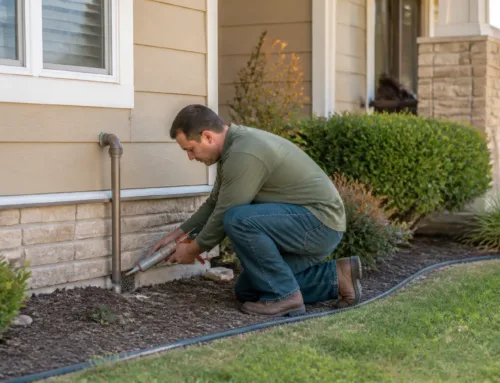
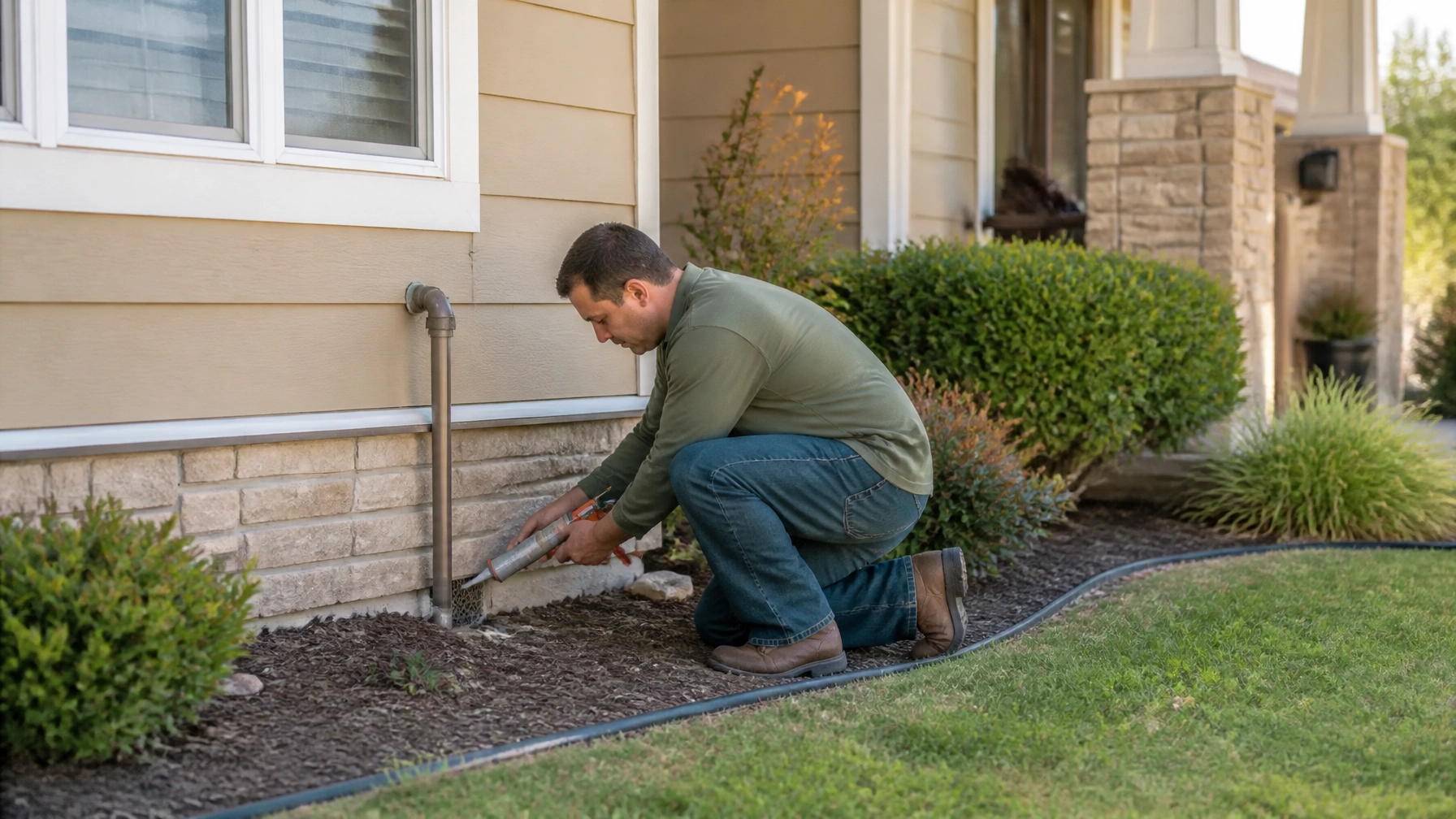
Use the correct materials for each opening. Caulk works for small cracks. Larger openings may need metal mesh or other durable exclusion materials.
Store pantry food, birdseed, and pet food in sealed containers. Remove clutter from the garage. Keep trash containers closed.

Pest 2: Ants Follow Food, Water, and Warm Wall Voids
Ants remain active in South Texas through much of the fall.
They enter through cracks around windows, doors, plumbing, utility lines, and foundations. Some species travel indoors when they find food or moisture.
A few ants may become a steady trail.
Find the source of an ant trail
Do not only wipe away visible ants.
Follow the trail if possible. Check:
- Kitchen counters
- Pantry shelves
- Pet feeding areas
- Baseboards
- Window frames
- Bathroom plumbing
- Under sinks
- Behind appliances
- Garage walls
- Foundation edges
Look for crumbs, grease, spills, leaks, and damp areas.
Clean counters after meals. Sweep floors. Empty trash regularly. Store sugar, cereal, flour, and other pantry items in sealed containers.
Repair plumbing leaks. Dry wet areas under sinks. Check water sources near refrigerators, washing machines, and water heaters.
Check the exterior, too
Ants may establish activity in:
- Mulch beds
- Tree bases
- Cracks in sidewalks
- Yard debris
- Stacked lumber
- Firewood
- Gaps along the foundation
Keep wood and debris away from exterior walls. Trim plants that touch the structure. Maintain a clear space around the foundation when possible.
If ants return after cleaning and sealing, the colony may be located in a wall, slab, landscape area, or other hidden location. Professional treatment can target the activity more effectively.
Pest 3: Spiders and Scorpions Search for Shelter
Spiders become more noticeable during late summer and fall.
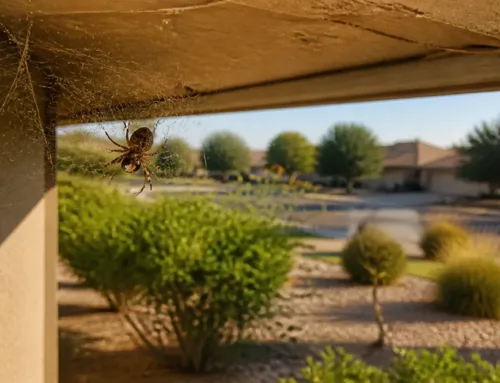
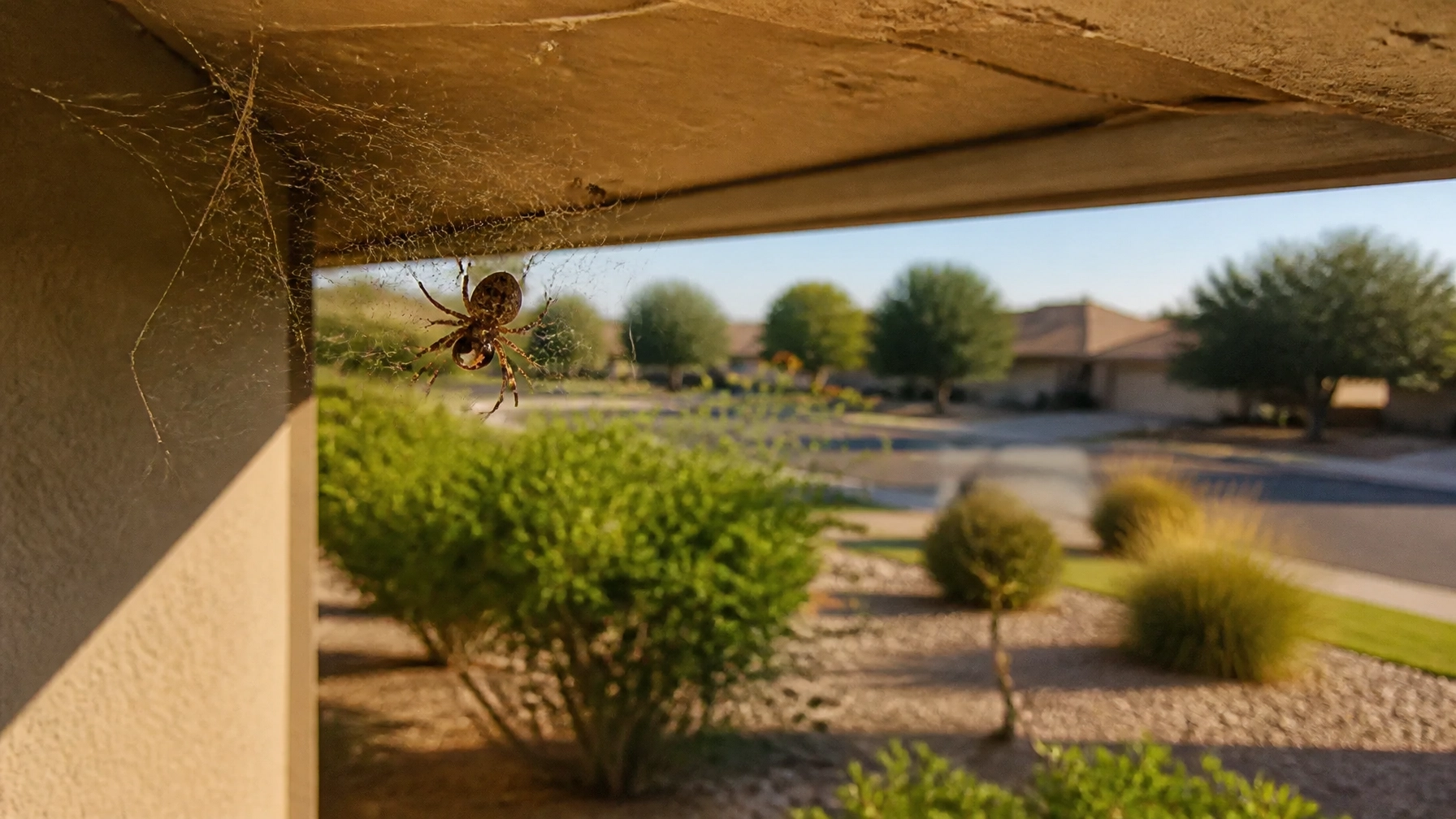
They may move closer to homes because insects gather around exterior lights, doors, landscaping, and foundation walls. Spiders may also enter through the same gaps used by ants and rodents.
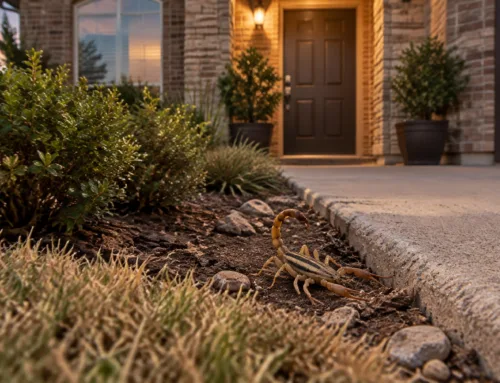
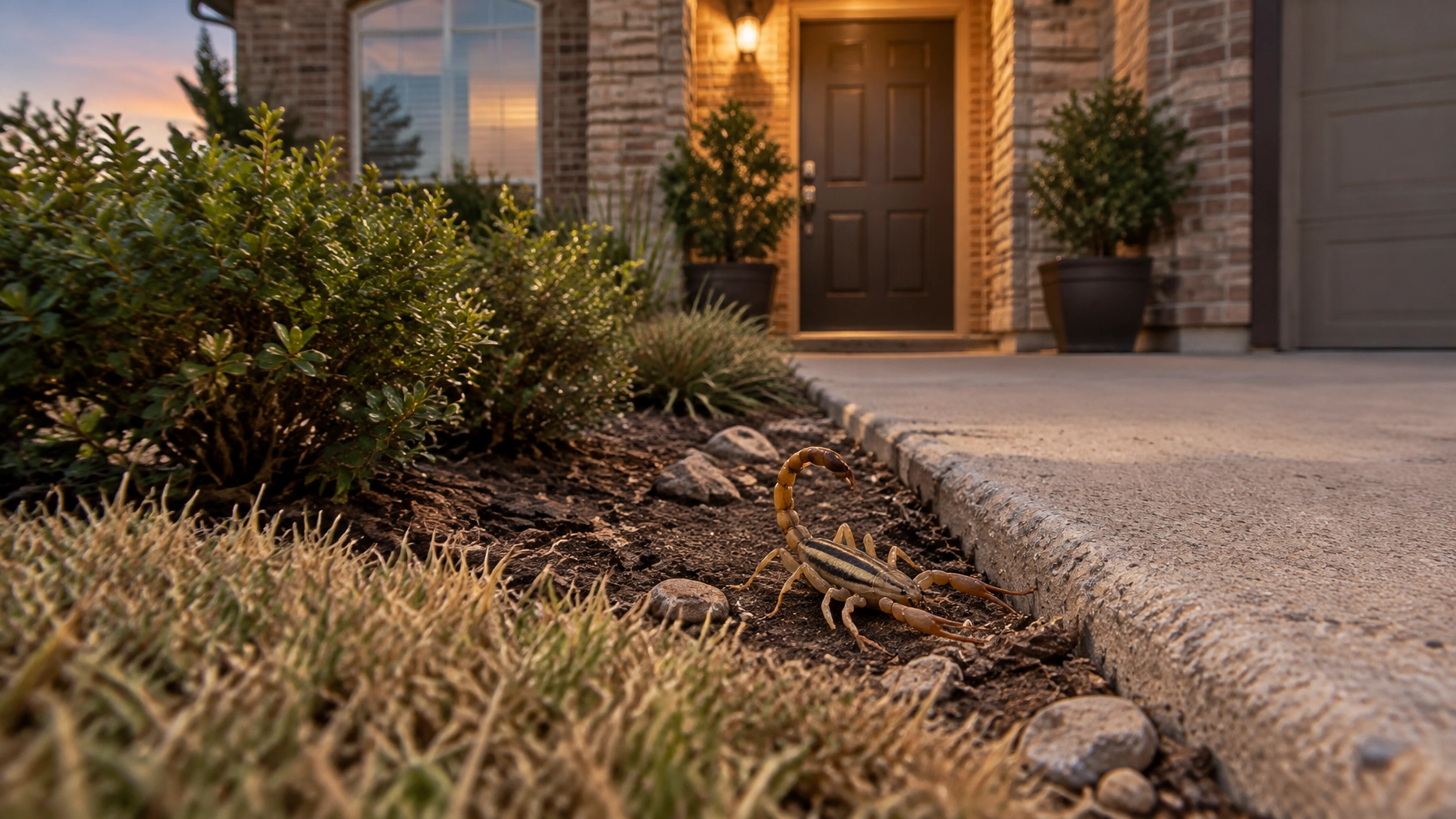
Scorpions can remain active in South Texas during mild weather. They may enter through door gaps, weep holes, foundation openings, and other small spaces.
Check these areas for spiders and scorpions
Inspect:
- Garages
- Sheds
- Attics
- Closets
- Storage rooms
- Porch ceilings
- Window corners
- Door frames
- Eaves
- Firewood piles
- Landscaping rocks
- Clutter near the foundation
Use caution when moving boxes, shoes, gloves, firewood, or stored equipment.
Do not handle an unknown spider or scorpion. Use a tool or contact a professional for assistance.
Texas A&M AgriLife provides identification information for southern black widow spiders and brown recluse spiders. When identification is uncertain, avoid direct contact.
Reduce hiding places
Start outside.
Move firewood, lumber, bricks, and equipment away from walls. Remove leaf litter and yard debris. Trim shrubs and branches away from the structure.
Inside, vacuum webs from corners and baseboards. Store seasonal decorations in sealed plastic containers. Reduce open cardboard storage in garages and closets.
Routine pest control can also help reduce the insects that spiders and scorpions follow.
The 5-Minute Monthly Home Check for Pearsall, Dilley, Cotulla, and Devine
Set a monthly reminder.
Walk around your home with a flashlight. Complete this short check before a small issue becomes a larger one.
Minute 1: Check doors and windows
Look for:
- Gaps under exterior doors
- Damaged door sweeps
- Worn weatherstripping
- Torn window screens
- Loose screen frames
- Cracks around window trim
Replace worn door sweeps. Repair screens. Seal small gaps with appropriate caulk.
Pay special attention to the door between your garage and home.
Minute 2: Check the foundation and weep holes
Walk the entire exterior.
Look for:
- Foundation cracks
- Openings around pipes
- Gaps around utility lines
- Unscreened weep holes
- Pest activity near brick joints
- Ant trails
- Spider webs
- Rodent openings
Do not block drainage openings incorrectly. Use products designed for pest exclusion while allowing proper moisture drainage.
Minute 3: Check the garage and attic
In the garage, look for droppings, gnaw marks, webs, and gaps around the door.
In the attic, look for:
- Scratching sounds
- Droppings
- Nesting material
- Damaged insulation
- Gnawed wiring
- Daylight near roofline gaps
Do not climb into unsafe spaces. Call a professional if you find an animal, heavy droppings, damaged wiring, or signs of an established infestation.
Minute 4: Check the pantry and plumbing areas
Inspect pantry shelves for ants and damaged food packaging.
Check:
- Under the kitchen sink
- Behind the refrigerator
- Around the dishwasher
- Near pet food
- Inside bathroom cabinets
- Around the water heater
- Near washing machine connections
Clean crumbs. Seal food. Repair leaks. Remove standing moisture.
Minute 5: Check caulking, screens, and yard debris
Finish outside.
Inspect caulking around doors, windows, pipes, and utility lines. Check screens on vents and windows. Move leaves, boards, boxes, and other debris away from the foundation.
Trim plants that touch the home. Keep firewood elevated and away from exterior walls.
Record anything that needs repair. Recheck it during the next monthly inspection.

DIY Checks Work Better With Professional Monthly Service
Your five-minute check is useful.
It helps you notice changes early. It also helps you identify entry points before pests spread.
However, a quick homeowner inspection cannot reach every wall void, roofline, foundation gap, or hidden nesting area.
Professional monthly service adds another layer of protection.
A technician can:
- Inspect common entry points
- Treat exterior areas
- Identify recurring pest patterns
- Monitor activity between visits
- Recommend exclusion repairs
- Adjust treatment for rodents, ants, spiders, or scorpions
- Help prevent small issues from becoming larger problems
Salinas and Sons Pest Control provides residential and commercial pest control service in South Texas.
Our family-owned team serves Pearsall, Dilley, Cotulla, Devine, and surrounding areas. We provide routine monthly pest control and specialized pest treatments.
Affordable Pest Control With No Contract
Pest control should fit your home and your budget.
Salinas and Sons Pest Control offers affordable options without long-term contracts. You can cancel anytime. You can skip months when needed. You can use a pay-as-you-go approach.
Choose routine monthly service for ongoing prevention. Request a specialized treatment when you need focused help with rodents, ants, spiders, scorpions, or another pest problem.
View our South Texas pest control service area to confirm coverage.
Protect Your Home Before Fall Pest Activity Increases
Start with the five-minute check.
Inspect your doors. Check the garage. Look in the attic. Review pantry storage. Repair screens. Seal gaps. Move debris away from the foundation.
Then schedule professional service if you find recurring signs or want ongoing protection.
Salinas and Sons Pest Control offers a free estimate for homeowners and businesses in Pearsall, Dilley, Cotulla, Devine, and nearby South Texas communities.
Call 830-210-0074 or contact us online.
Keep your fall pest prevention simple, affordable, and flexible.

Leave A Comment