
Timestamp: 2026-10-22 | Breadcrumb: Home > Pest Control Tips > DIY Pest Control | Category: Home Pest Control
Welcome. If you’ve bought sprays, bombs, or traps and still see pests at home or work, you’re not alone. A quick treatment can seem to help, then the activity returns. Often, it’s because the product handled the pests you could see, but not the reason they were there.
Use this checklist to understand what might be happening before spending more money. These tips apply to homeowners and small business owners in Pearsall, Dilley, Cotulla, Devine, and surrounding South Texas areas.
Why DIY pest control can miss the mark
1. You may be treating the wrong pest
Different pests need different approaches. A product intended for one insect may not work on another, and signs like droppings, shed skins, or small bites can be easy to misread. Before buying more supplies, take a clear photo or note where and when you see activity. Correct identification helps you avoid paying for a treatment that doesn’t fit the problem.
2. You’re treating the pests you see, not where they’re coming from
A spray can knock down exposed pests without reaching a nest, entry point, or hidden resting place. If new pests keep arriving from a wall gap, stored item, or outdoor harborage, sightings may resume. Look for patterns: where pests appear, when they show up, and whether activity seems tied to a particular room, doorway, or storage area.
3. Hidden pests or eggs can remain
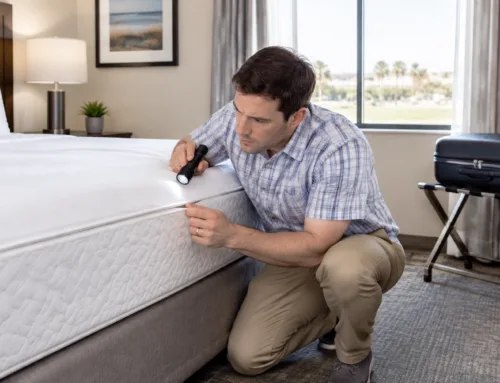
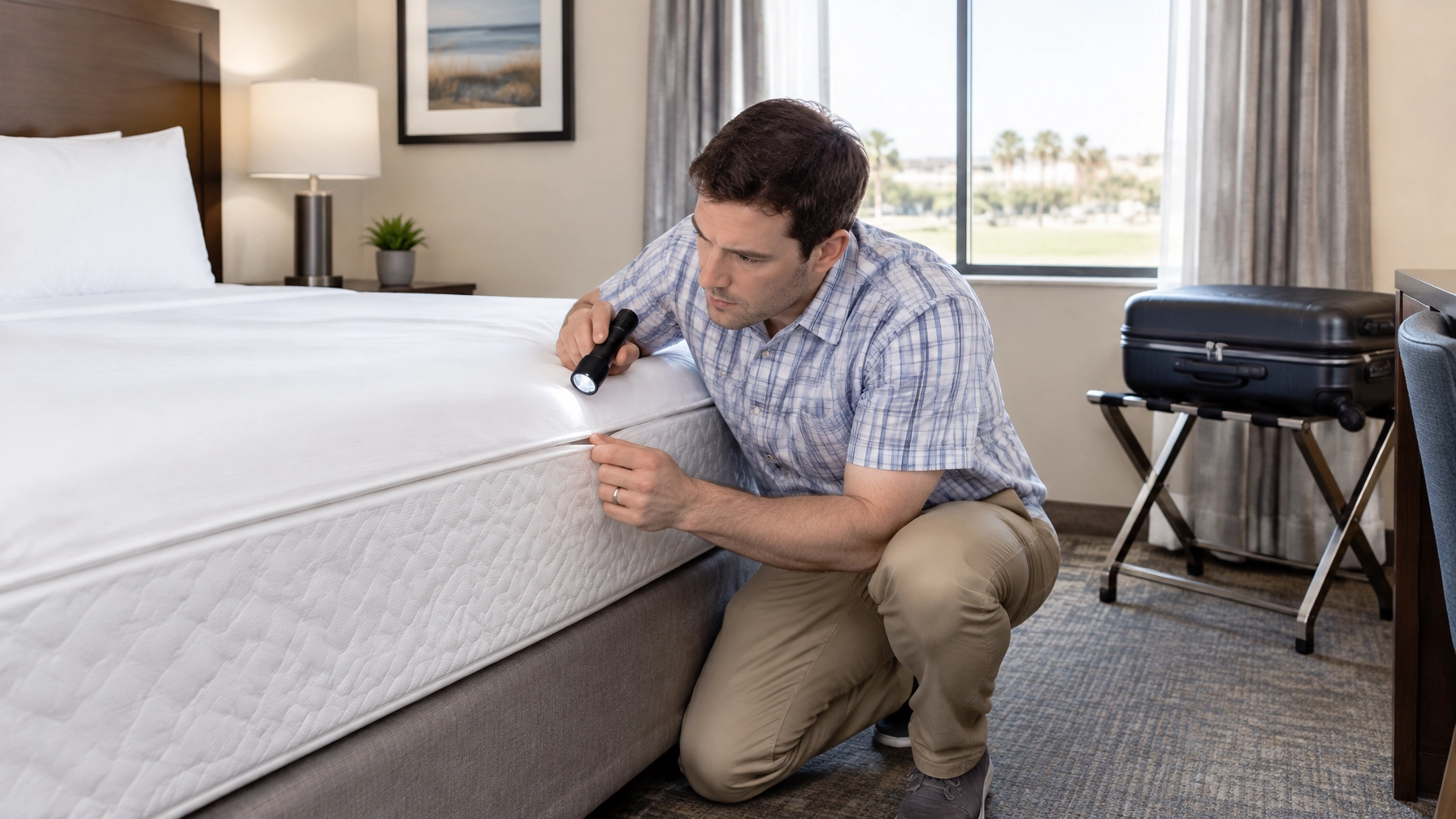
A visible pest may be only part of the issue. Some pests hide in cracks, furniture, stored belongings, or other spots that a quick spray won’t reach. If a product doesn’t address the pest’s hiding places or life stages, activity can continue. For persistent problems, identify the pest and its likely source before repeating an application.
4. A fogger may not reach cracks and hiding places
Bug bombs release pesticide into the air, but the mist may not get into the small spaces where crawling or concealed pests hide. A fogger also may not be the right tool for the pest you’re dealing with. The EPA’s guidance on foggers explains why a fogger should not be the sole method for bed bugs. Always read and follow the product label. Never use more product than directed.
5. Pests can keep entering through small gaps
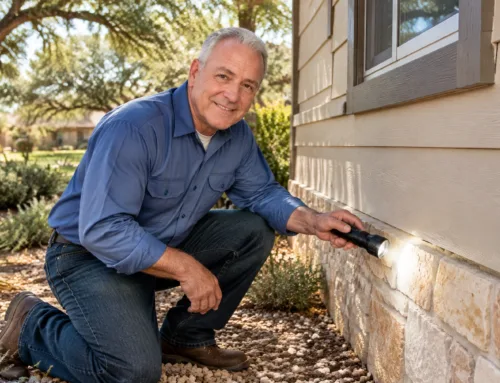
Treating indoors won’t prevent new pests from getting through gaps around doors, windows, pipes, vents, or the foundation. Walk around the outside of your home or business and check for openings. Repair screens, add weather stripping where needed, and seal appropriate gaps. Don’t block vents or drainage openings that need to remain clear.

6. Food, water, or clutter may still be attracting them
Crumbs, open food, pet dishes, standing water, leaks, and clutter can make a space more attractive to pests. Clean up food debris, store pantry items in sealed containers, fix leaks, and reduce piles where pests can shelter. These steps don’t replace treatment when you need it, but they can help make the space less inviting.
Start with a simple check
Look under sinks and behind appliances. Check pantry shelves, trash areas, storage rooms, and pet-feeding spots. Correct what you can, then monitor for changes.
7. Traps may be showing activity, not solving the source
A trap can catch pests or help you see where activity is happening. But a few catches don’t necessarily mean the source has been eliminated. Check traps regularly, record where you find pests, and address likely food sources, entry points, or hiding places too. The Texas A&M AgriLife Extension guide to sticky traps explains how traps can help monitor pest activity.
8. The product may not match the location or directions
A product may be intended for a particular pest, surface, or application method. Using it somewhere else, applying too much, or skipping label directions can reduce effectiveness and create safety risks. Read the label before use, and don’t mix products unless the label specifically directs you to do so. If you’re unsure, pause and ask a qualified professional.
9. Repeating the same treatment doesn’t fix the underlying issue
If pests return after the same spray or trap, another round may not be the answer. The source might still be active, new pests may be entering, or the original product may not be suited to the situation. Instead of buying another bottle, review what you’ve observed and look for what hasn’t changed. A targeted plan starts with the pest, its location, and the conditions supporting it.
10. The problem may need a plan and follow-up
Some pest concerns take more than a single application. Termites, bed bugs, fleas and ticks, spiders, and rodents may require a treatment that matches the pest and the property. Small rodents such as mice, rats, and squirrels, and small animals such as raccoons and possums, can also call for a specialized approach. A one-size-fits-all product may not be enough.
A practical next step for South Texas homes and businesses
Before purchasing another product, write down what you see, where you see it, and when it appears. Check likely entry points and remove food, water, and clutter where possible. Then decide whether you need routine prevention or a specialized treatment.
Salinas and Sons Pest Control is family-owned and serves Pearsall, Dilley, Cotulla, Devine, and surrounding South Texas areas. Options include routine monthly pest control and specialized treatments for specific pest problems. Pricing is affordable, and there are no long-term contracts: you can cancel any time, skip months, and pay as you go.

For homeowners and small businesses comparing pest control Pearsall TX, pest control Dilley TX, pest control Cotulla TX, or pest control Devine TX, ask about the treatment that fits your concern. You can also learn more about pest control service in South Texas or view the service area.
Choose a plan that fits
You don’t have to sign a long-term agreement to ask for help. Call Salinas and Sons Pest Control at 830-210-0074 to discuss your pest problem and request a free estimate. Or contact the team online. Start with a conversation, then choose the next step that works for your home or business.








Leave A Comment