Cooler weather can make your home more attractive to rodents. Mice and rats look for warmth, shelter, food, and water. Garages, attics, wall voids, sheds, and kitchens can quickly become nesting areas.
Fall preparation helps reduce that risk.
If you live in Pearsall, Dilley, Cotulla, Devine, or a surrounding South Texas community, start your rodent prevention checklist before cooler weather arrives. A few simple maintenance steps can help protect your home. Professional pest control can provide additional inspection, treatment, and monitoring when needed.
Why Rodents Move Indoors in the Fall
Rodents do not need a large opening to enter a home. According to the EPA’s rodent prevention guidance, mice can fit through openings about the width of a pencil.
As temperatures change, rodents may search for:
- Warm spaces.
- Dry nesting areas.
- Stored food.
- Pet food.
- Water sources.
- Quiet areas with little activity.
A small gap around a pipe or garage door can become an entry point. Once inside, rodents may damage insulation, chew wiring, contaminate stored food, and leave droppings in hidden areas.
Start with prevention. Then respond quickly if you notice signs of activity.
Fall Rodent-Proofing Checklist
1. Inspect the Outside of Your Home
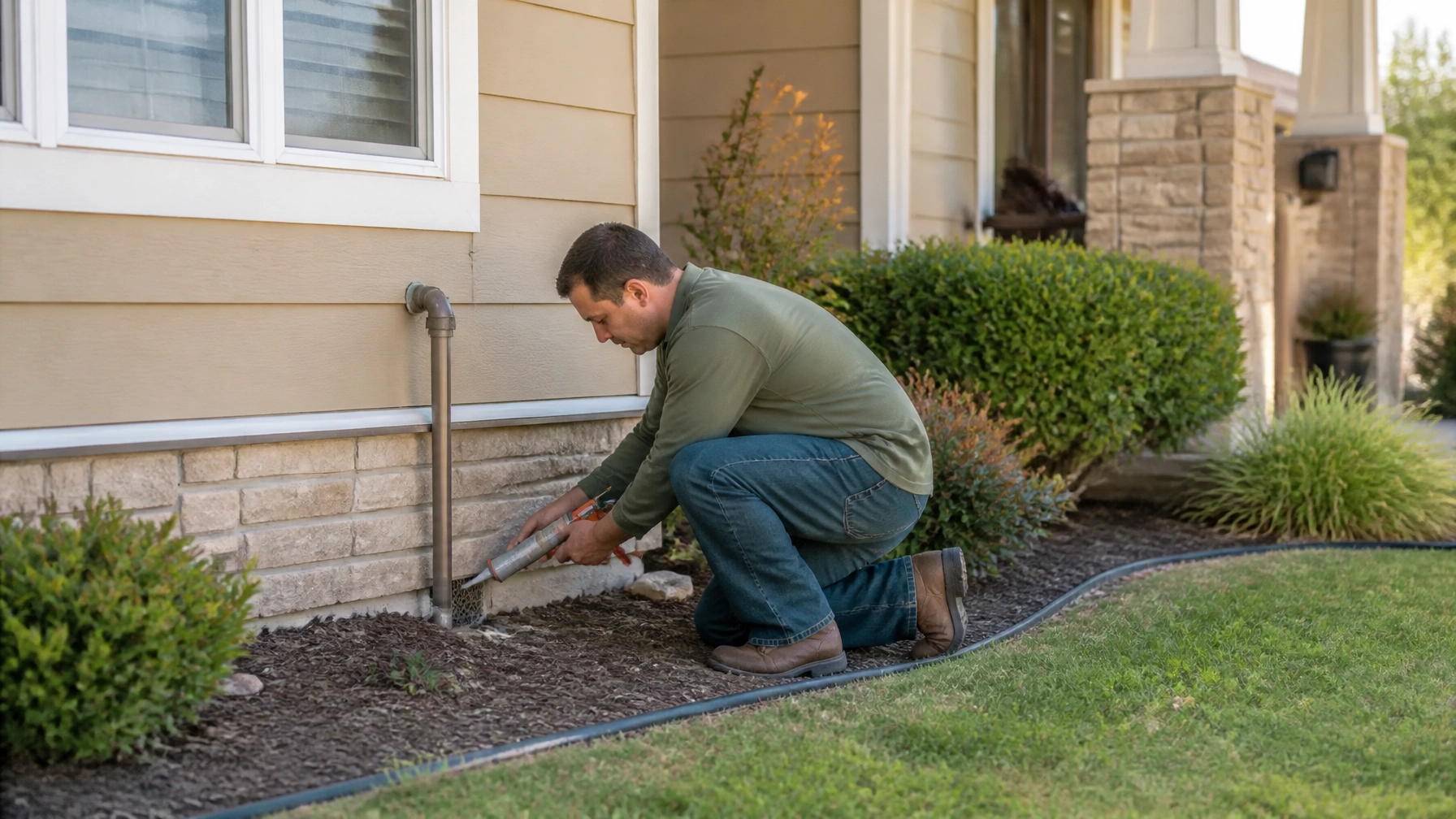
Walk around the entire exterior. Look at the foundation, roofline, garage, doors, windows, vents, and utility connections.
Check for:
- Cracks in the foundation.
- Gaps around plumbing and electrical lines.
- Openings around air-conditioning lines.
- Damaged screens.
- Gaps around garage doors.
- Loose siding or trim.
- Open attic or crawl-space vents.
- Holes near dryer vents.
- Spaces under doors.
- Gaps near roof eaves and soffits.
Pay attention to areas where different materials meet. Rodents often use gaps around brick, siding, concrete, pipes, and utility lines.
Seal small gaps with an appropriate exterior sealant and durable metal mesh. Use hardware cloth, metal sheeting, or a proper patching material for larger openings. Avoid relying on soft materials alone. Rodents can chew through many weak or temporary repairs.
Replace worn door sweeps and weather-stripping. Repair window screens. Make sure garage doors close tightly along the bottom and sides.
2. Check the Garage, Attic, and Shed
These areas often receive less attention. They can also provide ideal shelter.
Move boxes away from walls. Store items on shelving when possible. Reduce piles of paper, fabric, cardboard, and unused materials. These items can provide nesting material.
Inspect stored items for:
- Droppings.
- Gnaw marks.
- Shredded paper or fabric.
- Grease marks along walls.
- Unusual odors.
- Damaged food packaging.
- Scratching sounds.
Use sealed plastic, glass, or metal containers for stored items. Cardboard boxes are easy for rodents to damage and may provide hiding places.
Before entering a closed garage or shed, open doors and windows when possible. Allow the area to air out before cleaning. Follow CDC guidance for cleaning rodent droppings and other contamination.

3. Remove Food and Water Sources
Rodent prevention depends on sanitation. Make food difficult to access.
Complete these steps:
- Store dry goods in containers with tight-fitting lids.
- Keep pet food in sealed containers.
- Pick up pet food before bedtime.
- Clean crumbs and spills promptly.
- Wash dishes after meals.
- Keep indoor trash cans covered.
- Empty trash regularly.
- Clean food residue from counters and floors.
- Store bird seed away from the home.
- Do not leave open animal feed near exterior walls.
Check for water sources, too. Repair dripping faucets, leaking pipes, and damaged hoses. Look under sinks and behind appliances. Inspect air-conditioning condensate lines and areas where water collects near the foundation.
Clogged gutters can also create moisture near the home. Keep gutters clear and correct drainage problems that create standing water.
4. Reduce Outdoor Shelter
Landscaping can affect rodent activity around your home.
Trim tree branches away from the roof. Keep shrubs from touching exterior walls. Remove piles of wood, unused equipment, thick debris, and excess materials near the foundation.
Also check:
- Fences connected to the home.
- Storage areas beneath porches.
- Spaces beneath outdoor sheds.
- Brush along the garage.
- Dense vegetation near doors.
- Debris beside exterior walls.
Keep grass and weeds managed around the property. A clean perimeter makes it easier to spot new holes, droppings, tracks, or damaged materials.
Do not create a bridge to the roof with overgrown branches. Rodents can use branches, vines, fences, and utility lines to reach roof areas and attic vents.
What to Do If You Find Rodent Droppings
Do not sweep or vacuum dry droppings, nesting material, or urine. This can send contaminated particles into the air.
Instead:
- Put on disposable gloves.
- Ventilate the enclosed area when possible.
- Apply an EPA-registered disinfectant or appropriate bleach solution.
- Allow the material to remain wet for the time listed on the product label.
- Use paper towels to pick up the waste.
- Place waste in a sealed trash bag.
- Disinfect nearby hard surfaces.
- Remove gloves carefully.
- Wash your hands with soap and water.
Use extra caution with heavy contamination in attics, crawl spaces, wall voids, or air ducts. A professional may be the safer choice for extensive cleanup.
Read the full CDC rodent cleanup instructions before handling contaminated areas.
Use Traps Carefully
If you see fresh droppings, hear activity, or find gnaw marks, you may have an active problem.
Mechanical traps can help monitor activity. Place them along walls and near known travel routes. Rodents commonly move along edges instead of crossing open areas.
Keep traps away from children and pets. Follow the product instructions. Check traps regularly.
Avoid sealing every opening while rodents are still active inside wall voids or enclosed areas. Trapping and removal may need to happen before final exclusion work. Otherwise, animals may remain inside the structure.
Rodenticide use also requires care. Always follow the label. Use only products approved for the intended setting. Keep bait inaccessible to children, pets, and wildlife. When in doubt, contact a pest professional.
When to Call a Pest Control Professional
Call for professional help if you notice:
- Repeated rodent sightings.
- Fresh droppings after cleaning.
- Scratching in walls or ceilings.
- Gnawed wiring.
- Strong rodent odors.
- Nesting materials.
- Damage in insulation.
- Rodents entering from inaccessible areas.
- Activity that continues after basic prevention.
A professional inspection can identify entry points that are easy to miss. It can also help determine whether the issue involves mice, rats, or another small animal.

Affordable Rodent Protection in South Texas
Salinas and Sons Pest Control provides residential and commercial pest control in Pearsall, Dilley, Cotulla, Devine, and surrounding South Texas areas.
Our family-owned team offers practical pest management solutions for homes and businesses. We can help with targeted rodent treatments and broader prevention plans.
You do not need to commit to a long-term contract. Choose a service plan that fits your needs and budget. Our options include monthly, quarterly, annual, and specific pest problem treatments. You can cancel anytime, skip months, and pay as you go.
That flexibility matters. Your pest control needs may change with the season, property, or budget.
Explore our South Texas pest control services or contact Salinas and Sons Pest Control for a free, no-obligation quote. You can also call 830-210-0074.
Start Your Fall Rodent Checklist Today
Do not wait for a scratching sound in the wall.
Start outside. Seal gaps. Repair screens. Check the garage and attic. Store food correctly. Remove clutter. Trim branches. Fix leaks. Monitor areas where you find signs.
These steps can make your home less attractive to rodents before cooler weather arrives.
If you need help, choose a local, family-owned pest control company with affordable options and no long-term contract. Salinas and Sons Pest Control is ready to help protect homes and businesses throughout Pearsall, Dilley, Cotulla, Devine, and nearby communities.








Leave A Comment