

Published: August 23, 2026
Breadcrumb: Home → Blog → Spider Control
Category: Pest Prevention
Service area: Pearsall, Dilley, Cotulla, Devine, and surrounding South Texas communities
Welcome, South Texas homeowners.
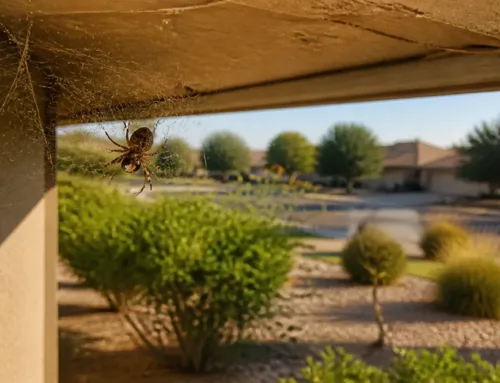
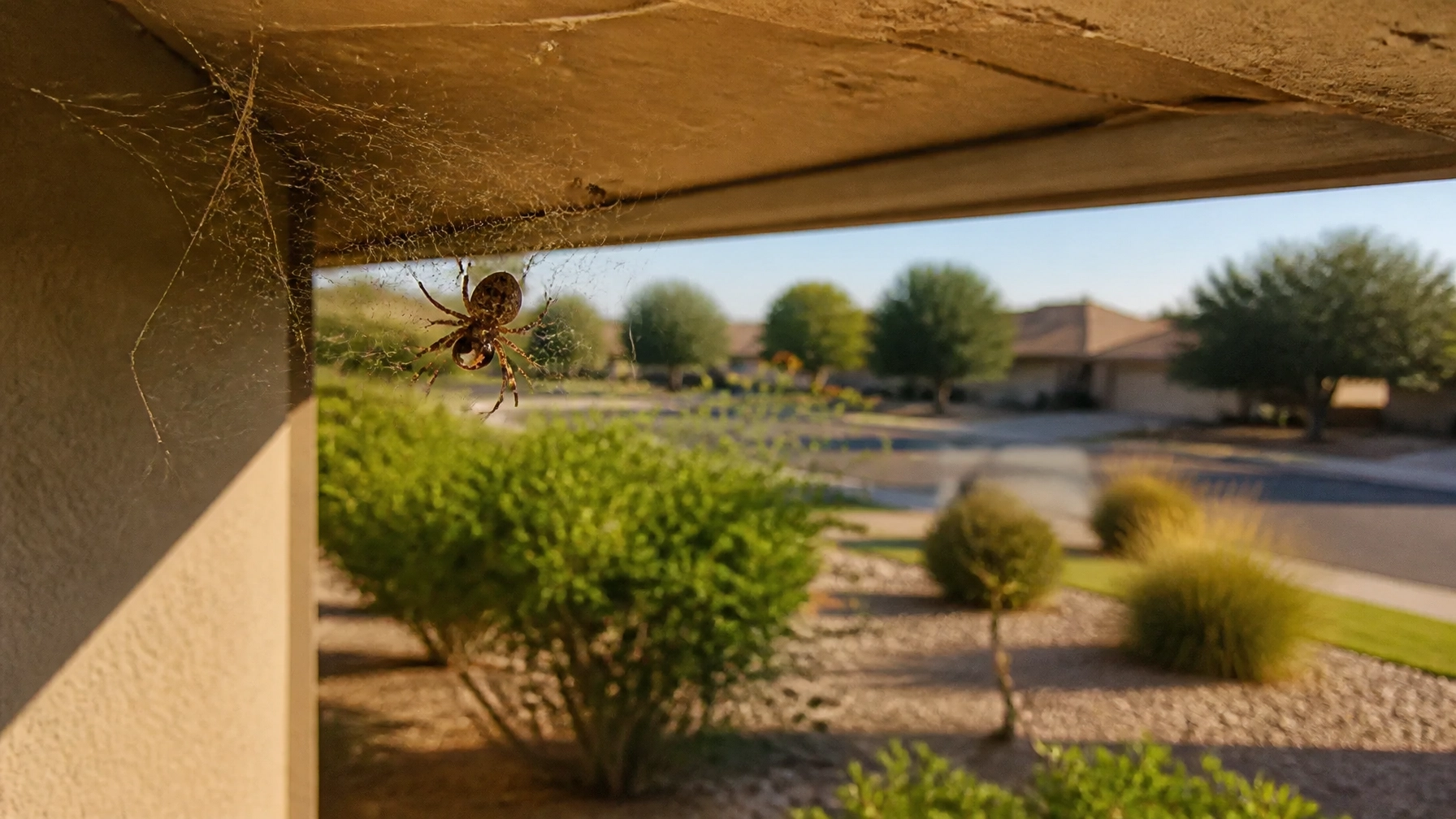
As late summer moves toward fall, spider activity often becomes more noticeable around homes and businesses. Webs appear along porch ceilings. Wolf spiders cross garage floors. House spiders settle into quiet corners. Outdoor lights attract insects, and those insects attract spiders.
This seasonal increase is common. It does not always mean your home has a serious infestation. However, frequent indoor sightings can indicate easy entry points, outdoor clutter, or another pest population providing food.
Use this guide to understand fall spider activity. Then take simple steps to reduce webs and unwanted encounters.
Why Spider Activity Increases in South Texas During Fall
Spider season usually becomes more noticeable from late summer through fall. Several natural changes contribute to this pattern.
1. Adult spiders become easier to see
Many spiders grow throughout spring and summer. By late summer and early fall, they may reach adult size. Larger spiders and larger webs are easier to notice around your property.
2. Males begin searching for mates
Fall is an active mating period for many spider species. Male spiders may wander more than usual while searching for females. This movement can bring them across patios, garages, walkways, and exterior walls.
3. Cooler nights change spider behavior
South Texas remains warm for much of the year. Still, fall evenings bring gradual changes in temperature. Spiders and the insects they hunt may seek shelter near buildings, eaves, garages, and wall gaps.
4. Outdoor insects provide a food source
Spiders follow food. If insects gather near exterior lights, doors, landscaping, or foundation walls, spiders may build webs or hunt nearby.
A sudden increase in spiders can therefore point to an insect problem around the home. Addressing the food source often helps reduce spider activity more effectively than removing visible webs alone.

Where to Look for Fall Spiders and Webs
Start your inspection outdoors. Then check quiet indoor areas.
Exterior locations
Inspect these areas first:
- Porch ceilings
- Door and window frames
- Eaves and soffits
- Outdoor light fixtures
- Shrubs touching walls
- Fence lines
- Garages and sheds
- Woodpiles and storage areas
- Landscaping rocks and mulch
- Cracks near the foundation
Web-building spiders often select protected corners. Hunting spiders, such as wolf spiders, may move across open surfaces while searching for prey.
Interior locations
Check these indoor areas:
- Garage corners
- Closets
- Attics
- Storage rooms
- Window corners
- Baseboards
- Behind boxes
- Under furniture
- Utility rooms
- Areas near exterior doors
Pay special attention to spaces that remain undisturbed. Cardboard boxes, stored decorations, firewood, and unused equipment can provide shelter.
Common Spiders You May See Around South Texas Homes
Most spiders found around South Texas homes are not dangerous. Learn basic identification, but do not handle an unknown spider.
Wolf spiders
Wolf spiders are large, fast-moving hunters. They do not rely on traditional webs to catch prey. You may see them in garages, patios, yards, or ground-level rooms.
Their size can make them look alarming. They generally prefer to avoid people.
House spiders
House spiders build loose, irregular webs in corners and quiet areas. Look for them around windows, ceilings, attics, and storage spaces.
They are usually nuisance pests. Their webs, however, can quickly make a clean home look neglected.
Garden spiders and orb-weavers
Garden spiders may build large, organized webs near gardens, fences, porch areas, and eaves. Their bright markings can look dramatic, but many orb-weavers are beneficial predators that feed on other insects.
Remove webs from high-traffic areas. Leave harmless garden spiders alone when they are located away from doors and walkways.
Black widows and brown recluses
Texas is home to two spider groups that deserve extra caution: black widows and brown recluses.
According to Texas A&M AgriLife’s information on southern black widows, black widows have a shiny, dark body and a red or orange hourglass marking on the underside. They often prefer quiet locations such as sheds, woodpiles, and cluttered outdoor spaces.
Brown recluses may have a violin-shaped marking and prefer dry, undisturbed spaces. Review Texas A&M’s brown recluse information for identification details.
Do not rely on color alone. Many spiders look similar. Avoid direct contact. Use caution when moving boxes, firewood, or stored equipment.
Five Steps to Reduce Fall Spider Activity
Start with prevention. Use the following checklist before spider sightings increase.
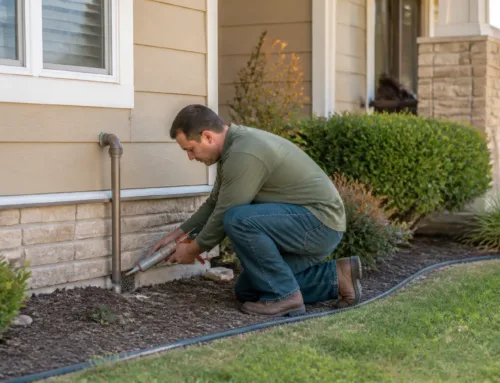
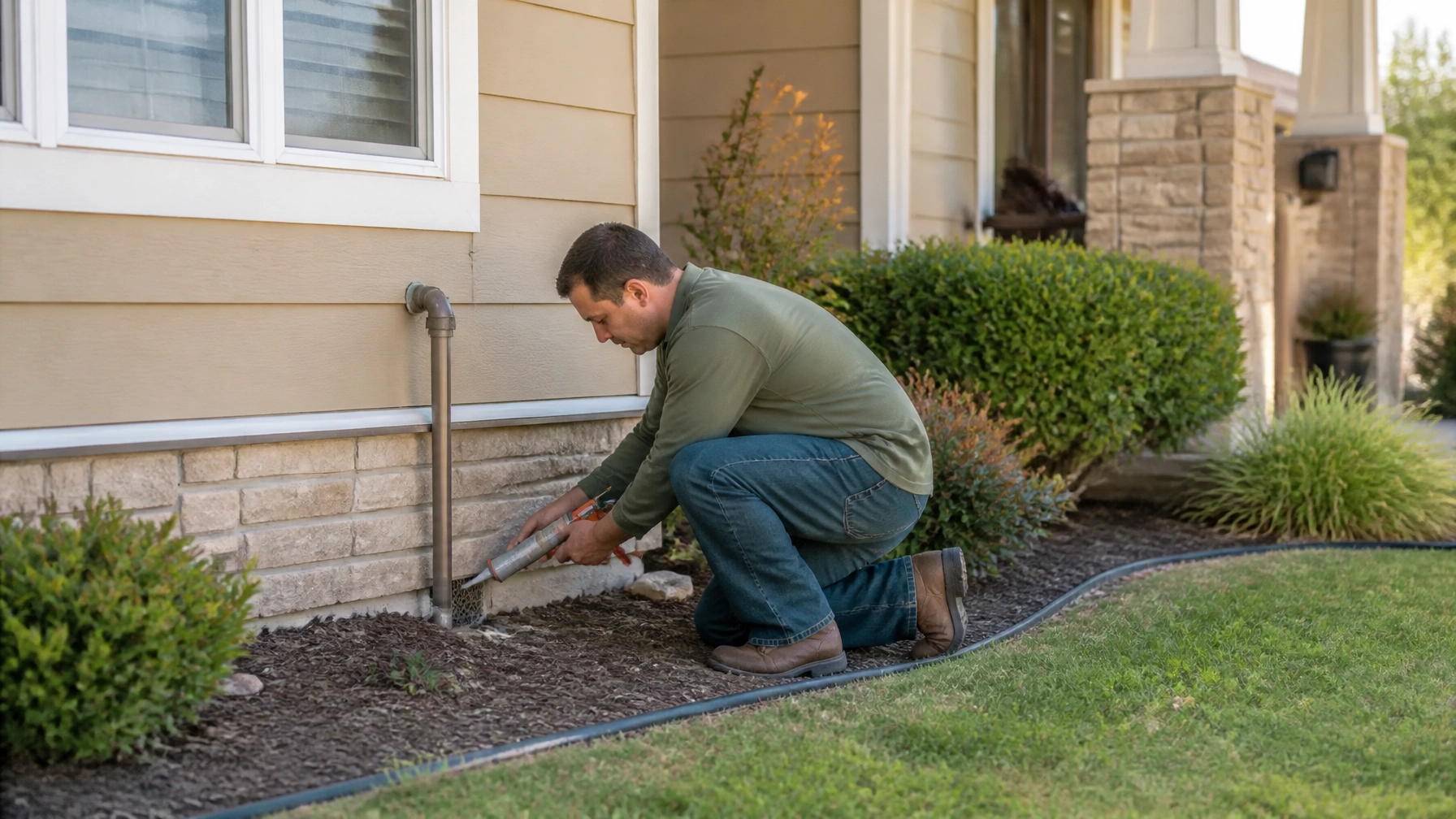
1. Seal entry points
Inspect the exterior of your home or business.
Seal gaps around:
- Doors
- Windows
- Utility lines
- Pipes
- Vents
- Siding
- Foundation cracks
- Garage doors
Install or replace damaged door sweeps. Repair torn screens. Keep doors closed when possible.
These improvements can reduce spider entry and limit the insects that enter through the same openings.
2. Reduce outdoor hiding places
Move firewood, lumber, bricks, and equipment away from exterior walls. Remove unnecessary debris. Keep storage areas organized.
Trim shrubs and tree branches so they do not touch the structure. Vegetation can create a bridge from the yard to the siding, roofline, or porch.
3. Manage outdoor lighting
Bright exterior lights attract flying insects. Spiders may follow those insects.
Turn off unnecessary lights at night. Use motion-activated fixtures where practical. Keep light fixtures and nearby walls free of webs.
4. Clean webs and storage areas
Vacuum webs from ceiling corners, window frames, baseboards, garages, and closets. Remove egg sacs when found. Empty the vacuum promptly.
Use sealed plastic containers for seasonal decorations and stored clothing. Plastic containers provide fewer hiding places than open cardboard boxes.
Inspect boxes and stored items before bringing them into bedrooms or living areas.
5. Address the underlying pest activity
Do not only remove the spider you see. Look for the conditions keeping spiders nearby.
Check for insects around:
- Foundation walls
- Exterior doors
- Trash areas
- Mulch
- Outdoor lights
- Garages
- Kitchens
- Utility rooms
Routine pest control can help reduce the insects that serve as a food source for spiders.

When Should You Call a Pest Professional?
Schedule an inspection when spider activity becomes frequent, widespread, or difficult to control.
Contact a professional if you notice:
- New webs appearing every day
- Repeated spiders inside living areas
- Frequent activity in bedrooms or closets
- Spiders around stored clothing or boxes
- Several spiders in a garage or shed
- Unidentified spiders in high-traffic areas
- Possible black widow or brown recluse activity
- A growing number of insects around the structure
Professional service can identify the conditions attracting spiders. It can also create a treatment plan for your property instead of relying on repeated spot spraying.
If you suspect a venomous spider bite, wash the area with soap and water. Then seek medical guidance. Review the Texas Department of State Health Services spider safety information.
Choose Flexible Spider Control in South Texas
Salinas and Sons Pest Control provides residential and commercial pest control in Pearsall, Dilley, Cotulla, Devine, and surrounding South Texas areas.
Our family-owned team focuses on practical, affordable pest management. Choose routine monthly service for ongoing prevention. Request a specialized treatment when spider activity needs targeted attention.
Select a plan that fits your property and budget. We offer flexible options without long-term contracts. Cancel anytime. Skip months when needed. Pay as you go.
You do not need to commit to a plan that no longer works for you.

Prepare Before the Fall Web Surge
Do not wait until every porch corner has a web.
Start by sealing gaps. Clean storage areas. Move debris away from walls. Trim vegetation. Reduce unnecessary lighting. Monitor insect activity.
If spiders continue appearing, request a professional evaluation. Salinas and Sons Pest Control offers a free estimate for homes and businesses throughout South Texas.
Call 830-210-0074 or contact Salinas and Sons Pest Control online.
Protect your home with a plan that remains affordable and flexible.
Frequently Asked Questions
When is spider season in South Texas?
Spider activity often becomes more noticeable from late summer through fall. Adult spiders are larger, males wander to find mates, and outdoor insects gather near homes.
Why are spiders suddenly appearing inside my home?
Spiders may enter through gaps around doors, windows, foundations, and utility lines. Indoor activity can also indicate insects inside or around the structure.
Are all South Texas spiders dangerous?
No. Most spiders found around homes are nuisance species or beneficial predators. Avoid handling unknown spiders. Use caution with black widows and brown recluses.
How can I prevent spiders without a long-term contract?
Start with exclusion, cleaning, landscaping changes, and insect reduction. For additional protection, choose a flexible pest control plan from Salinas and Sons Pest Control. No long-term contract is required.
Does routine pest control help with spiders?
Routine service can reduce insects and outdoor conditions that attract spiders. It can also help maintain a treatment barrier around common entry points.
Do I need monthly service?
Not every property needs the same schedule. Request an inspection and choose monthly service, a specialized treatment, or another affordable option that matches your needs.



Leave A Comment